
Laundry Duct Cleaning
Inspection and removal of accessible lint and debris from commercial dryer exhaust connections, ductwork, risers and termination points to maintain cleaner exhaust pathways and support routine system maintenance.
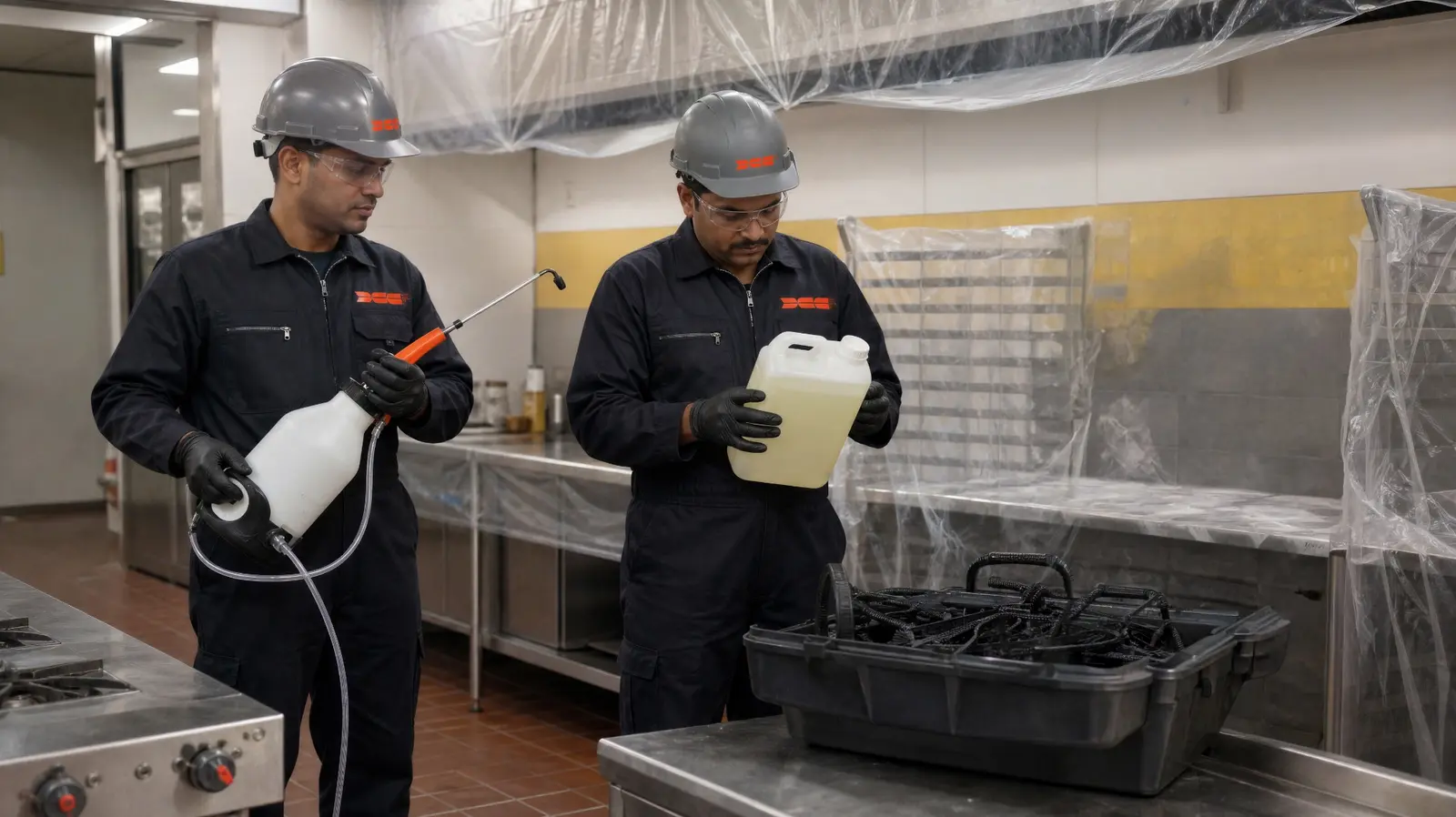
Survey the access. Select the method. Plan the work.
Real site conditions determine the equipment, protection, work zones and evidence required for a responsible specialist service.
Remove accessible lint accumulation, document restrictions and support the facility maintenance team with a clear condition record.
The scope begins with the system condition, configuration and operational requirements. The survey defines what can be accessed, which method is suitable and how completion will be recorded.
When to arrange an inspection
- Drying cycles taking longer than expected
- Visible lint at access points or discharge outlets
- Reduced exhaust airflow
- No recent internal inspection record
What may be covered and what you can receive.
System components
- Dryer connections and accessible transition sections
- Accessible main exhaust runs
- Elbows, collection points and termination outlets
- Visual condition check before and after cleaning
Service records
- Condition and completion record
- Matched visual evidence
- Cleaning certificate
- Recommended next inspection based on observed condition
The method must suit the actual system.
Cleaning does not replace equipment maintenance or airflow testing. Dryer performance, makeup air, duct design and equipment condition may also need to be reviewed by the responsible engineering team.
Read about standards and documentation →Execution sequence
- Inspect
- Dislodge
- Extract
Important points before approval.
What parts of a commercial laundry exhaust are cleaned?+
The scope can include accessible dryer connections, transition sections, main exhaust runs, elbows and termination points. Access limitations are recorded before execution.
Will cleaning solve every slow drying problem?+
No. Lint restriction may be one cause, but dryer condition, makeup air, duct design and other mechanical issues can also affect performance.
Do you provide an inspection record?+
Yes. The agreed documentation can include observed condition, completed sections, matched visual evidence and any areas that could not be accessed safely.